
Phone Number :
.png)
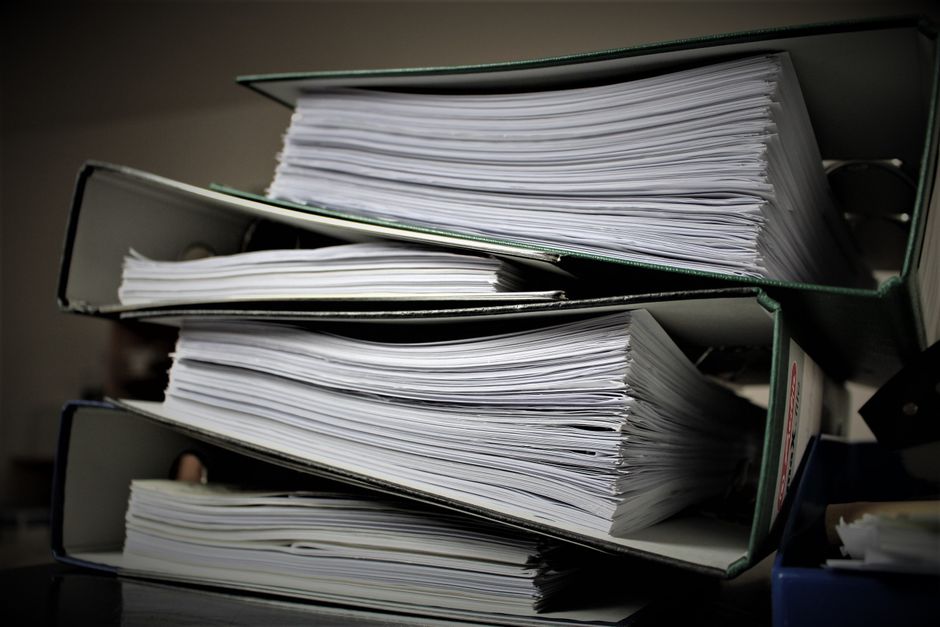
Building a moving binder is one of the most underrated things you can do before a relocation in Chattanooga, TN. Most people focus almost entirely on the physical side of moving — renting boxes, wrapping dishes, booking a truck — and leave all of the critical paperwork, contacts, and deadlines scattered across email inboxes, kitchen counters, and the Notes app on their phone. When moving day arrives and someone needs the utility confirmation number or the new landlord's contact, that disorganization costs precious time and creates unnecessary stress.
This guide from the team at Moving Masters walks you through exactly how to create and use a moving binder — a single, physical command center that keeps every document, deadline, and decision organized from your first planning day all the way through your first week in your new Chattanooga home. Whether you are moving locally across town or relocating long-distance, the system below works for any scale of move.
A move involves more paperwork and decisions than most people anticipate. Between lease agreements, purchase contracts, utility setup confirmations, insurance certificates, mover quotes, school enrollment forms, and address change receipts, the average relocation generates dozens of documents that all need to be accessible at different moments. Keeping them in one physical binder — rather than spread across email folders, browser tabs, and stacks of paper — means you spend zero time hunting for something when you need it most.
The physical setup of a moving binder does not need to be elaborate. A standard three-ring binder with tabbed dividers, a set of plastic page protectors, and a folder pocket for loose items is all you need to get started. Choose a binder that is sturdy enough to toss into a bag and carry with you on moving day — a flimsy binder that falls apart under normal use defeats the purpose.
The sections below are organized in the order you will most frequently need them throughout your move. You can add or remove tabs based on your specific situation — renters may not need a section for closing documents, for example, while buyers with complex mortgages may want to split the financial section into two tabs.
This is the first thing you open and the last thing you check before moving day. A master moving timeline lists every task by the week it needs to happen — eight weeks out, six weeks out, four weeks out, two weeks out, one week out, and moving day itself. Print it, hang a copy on your fridge, and keep a copy here so you can check things off in real time. Many Chattanooga residents find it helpful to include the name of the person responsible for each task beside it, especially if multiple family members are sharing the planning load.
This tab holds everything related to your professional movers. That includes your written estimate, your signed contract, the terms of service, and any written confirmation of add-ons like packing services or specialty item handling. If you requested and received a binding quote, keep that here alongside a copy of the mover's license and insurance certificate. On moving day, this is the tab you open when the crew arrives to confirm all details are correct before loading begins. Get a written quote before your moving date and file it here as soon as it arrives.
Whether you are buying or renting, this section holds your lease agreement or closing documents, the property address and access codes, your move-in inspection checklist, and any correspondence with your landlord, real estate agent, or title company. If you received any appliance manuals, HOA documents, or warranties from the previous owner, those belong here too. Chattanooga rentals often require a signed move-in inspection within the first 24 to 48 hours — having a blank inspection form printed and ready in this section means you are never scrambling to find one.
This section tracks every service you need to transfer, cancel, or set up in connection with your move. Create a simple table — provider name, account number, confirmation number, scheduled date, and status — for each of the following: electricity, gas, water, internet, cable or streaming, trash pickup, and any home security monitoring service. In Chattanooga, EPB handles both electricity and fiber internet for most residents, but installation appointments fill quickly, so having your confirmation number printed and filed here is more useful than you might expect.
Changing your address with every relevant institution is one of the most tedious parts of any move, but failing to do it leads to missed mail, lapsed subscriptions, and in some cases legal complications. This section holds a printed checklist of every organization that needs your new address — USPS forwarding, your bank, your employer's HR department, your insurance providers, the IRS, your doctor and dentist, magazine subscriptions, and any recurring online deliveries. Check each one off as you confirm the update. Tennessee also requires residents to update their driver's license address within a set timeframe after moving, so keep a note of that deadline here.
If you are moving with children, this section is especially important. Request physical or digital copies of school records, immunization records, and any IEP or 504 plans well before your move date and file them here. The same applies to medical records from your family's current providers — even if you plan to stay with the same doctor, having records in hand during the transition period protects against gaps in care. Include a list of current medications, dosages, and prescribing physician contact information for every family member. This section can also hold your own professional certifications, licenses, or records that you may need to access during a career transition tied to the move.
The moving binder is most valuable on the day itself, when decisions happen quickly and details matter most. Keep it with you — not buried in a box, not left on a counter in the home you are leaving. Designate one person in your household as the binder keeper for the day. Their job is not to load boxes but to be available with the binder whenever the moving crew, a landlord, a utility technician, or a neighbor has a question that requires documentation.
A physical moving binder is the foundation, but a digital backup adds a layer of protection against loss or damage. After printing and filing your key documents, scan or photograph them and save the images to a cloud folder — Google Drive, Dropbox, and iCloud all work well. Label the folder clearly and share access with your partner or a trusted family member in case your binder is misplaced on moving day. Your digital folder does not need to replace the physical binder; it simply ensures that if a document is ever lost or water-damaged, you have a copy accessible from any device.
A well-built moving binder turns one of the most chaotic life events into a manageable, step-by-step process. The hour you spend assembling it in advance will save you many times that in confusion, repeated phone calls, and misplaced documents on moving day. The team at Moving Masters has helped hundreds of Chattanooga families relocate smoothly, and consistent organization — starting with a solid planning system — is one of the factors that separates a calm move from a stressful one.
A moving binder is a physical three-ring binder that holds every important document, deadline, and contact related to your move in one organized place. You need one because moves generate a surprising amount of paperwork — contracts, utility confirmations, lease agreements, address change records, and more — and having it all in a single, portable binder prevents missed deadlines, repeated calls, and costly confusion on moving day.
Your moving binder should include your master moving timeline and checklist, your signed moving company contract and estimate, your lease or closing documents, utility setup confirmations with account and confirmation numbers, an address change tracker listing every institution that needs your new address, and copies of important personal records like medical and school documents for each family member.
Yes — a digital backup is a smart supplement to your physical binder. After printing and filing your documents, scan or photograph each one and save the images to a cloud storage folder like Google Drive or Dropbox. Label the folder clearly and share access with a trusted person. If your physical binder is ever lost or damaged, you will still have access to every critical document from any device.
Start building your moving binder as soon as you know your move date — ideally six to eight weeks before moving day. This gives you enough time to gather and file documents as they arrive rather than scrambling to print everything at once. Your timeline and checklist section should be set up first so you can track tasks from the very beginning of the planning process.
Use one tab per major category: (1) Master Timeline and Checklist, (2) Moving Company Documents, (3) New Home Documents, (4) Utilities and Service Setup, (5) Address Change Tracker, and (6) School, Medical, and Personal Records. Add plastic page protectors for originals you want to protect, and include a zippered pouch for small items like receipts, USB drives, and spare keys. Keep the binder with you — not packed in a box — on moving day.


