
Phone Number :
.png)
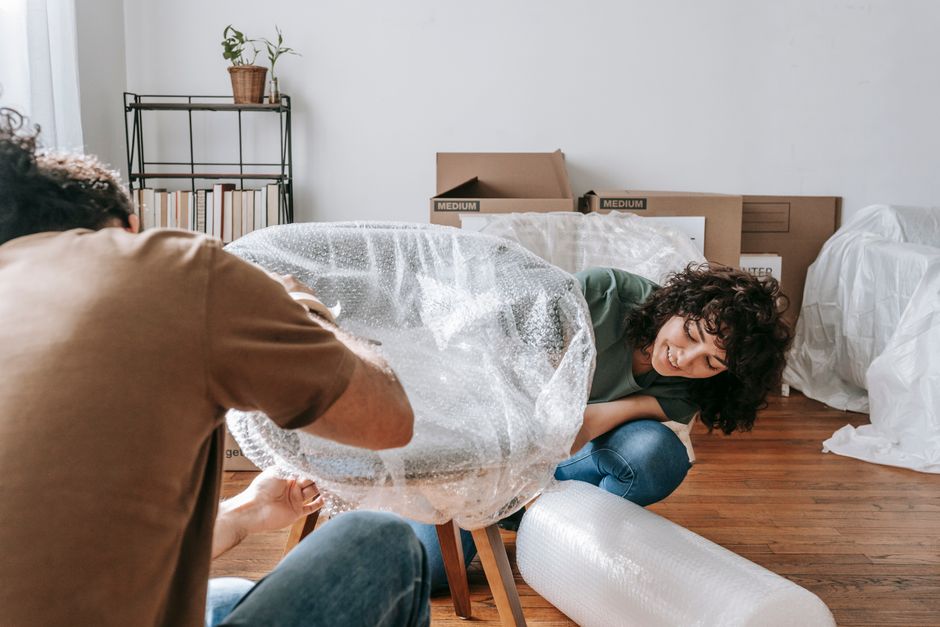
Learning how to move furniture without damage is one of the most practical skills any Chattanooga homeowner can develop before a relocation. Furniture represents a major financial and sentimental investment, and a single careless move can result in deep scratches, broken legs, torn upholstery, or cracked glass. Whether you are shifting a sectional sofa across town or loading a full dining room set onto a long-distance truck, the preparation you do beforehand makes all the difference between furniture that arrives in perfect condition and furniture that needs expensive repairs.
This guide from the team at Moving Masters walks you through every stage of the furniture moving process — from gathering supplies and disassembling pieces to wrapping techniques and safe loading methods. Chattanooga's mix of older homes with narrow doorways, hilly streets, and seasonal humidity adds an extra layer of challenge to furniture moves, and we have factored all of that into the advice below.
Most furniture damage during a move is entirely avoidable. The most common culprits include improper wrapping, poor loading order inside the truck, and rushing through tight spaces without proper planning. Understanding the root causes helps you prevent them systematically.
Addressing each of these proactively — with the right materials and a deliberate plan — keeps your furniture intact from the first room to the last.
Professional movers rely on specific materials that most homeowners simply do not have on hand. Before moving day arrives, gather the following supplies so you are not improvising at the last minute.
You can purchase most of these at a local hardware or moving supply store in Chattanooga, or ask your movers if they supply packing materials as part of their service package.
Disassembly is not optional for larger pieces — it is the step that protects your furniture, your walls, and your movers. A dining table that seems too wide for the hallway in assembled form may pass through easily once the legs are removed. A modular wardrobe that took two hours to build in the bedroom is almost impossible to remove intact without taking the panels apart first.
Avoid disassembling pieces that were not designed to be taken apart more than once — particularly older solid-wood furniture with glued joints or antique pieces with delicate inlays. Forcing hardware out of these items can cause irreparable damage. For these, proper wrapping and careful carry techniques are the better approach.
Different materials require different protection strategies. Here is how to handle the most common furniture types found in Chattanooga homes.
Start by removing all drawers and loose components. Wrap the main cabinet body in a moving blanket and secure it fully with stretch wrap. Pay special attention to corners and edges — these are the points that contact door frames and truck walls. For raw or lightly finished wood, avoid plastic wrap directly against the surface, as condensation can cause moisture damage over a long-distance haul.
Wrap upholstered pieces in moving blankets or clean cotton pads first, then secure lightly with stretch wrap. Do not wrap upholstery tightly in plastic alone — the lack of breathability can trap humidity and cause mildew, especially during summer moves in Chattanooga. For light-colored fabrics, add a layer of clean packing paper or a cotton sheet before the blanket.
Glass components should always be removed from frames or table bases where possible. Wrap glass in multiple layers of bubble wrap, securing with packing tape on the wrap only (never on bare glass). Transport glass pieces vertically — standing on edge — rather than lying flat, as this greatly reduces the risk of cracking under pressure.
Metal furniture can scratch other items as well as itself. Wrap chrome legs and metal frames fully in moving blankets. Pay attention to protruding bolts or screws — these can puncture other wrapped items in the truck if left uncovered.
Even perfectly wrapped furniture can be damaged by a poorly organized truck. Professional movers follow a specific loading logic that maximizes stability and minimizes movement during transit.
Chattanooga's older neighborhoods — from the Northshore to St. Elmo — often feature homes with standard 32-inch doorways, steep interior staircases, and compact hallways. These architectural features require deliberate planning before any large piece of furniture is moved.
Moving furniture on stairs requires at least two people, clear communication, and a slow, controlled pace. Always have the stronger person at the bottom controlling the weight on descents, and at the top anchoring the piece on ascents. Use furniture straps that wrap under pieces and around movers' shoulders to reduce arm strain and maintain grip on steep runs.
Some furniture simply warrants professional handling — not because homeowners lack capability, but because the risk of damage or injury to a heavy, irreplaceable, or awkward piece is too high to justify DIY methods. Consider calling Moving Masters for a free quote if you are dealing with any of the following:
Professional movers carry the specialized equipment — dollies, furniture straps, stair rollers, and padded trucks — that makes these scenarios manageable and safe. The cost of professional furniture moving services is almost always lower than the cost of repairing or replacing damaged pieces.
At Moving Masters, our Chattanooga-based team has moved thousands of homes and understands exactly how to protect every type of furniture through every stage of the relocation process. From careful wrapping and strategic loading to safe delivery and reassembly at your new address, we handle the hard parts so you do not have to.
Contact Moving Masters today at (423) 680-7005 or email us at info@movingmasterstn.com to speak with a moving specialist and get a customized, no-obligation estimate for your upcoming move.


