Phone Number :
.png)
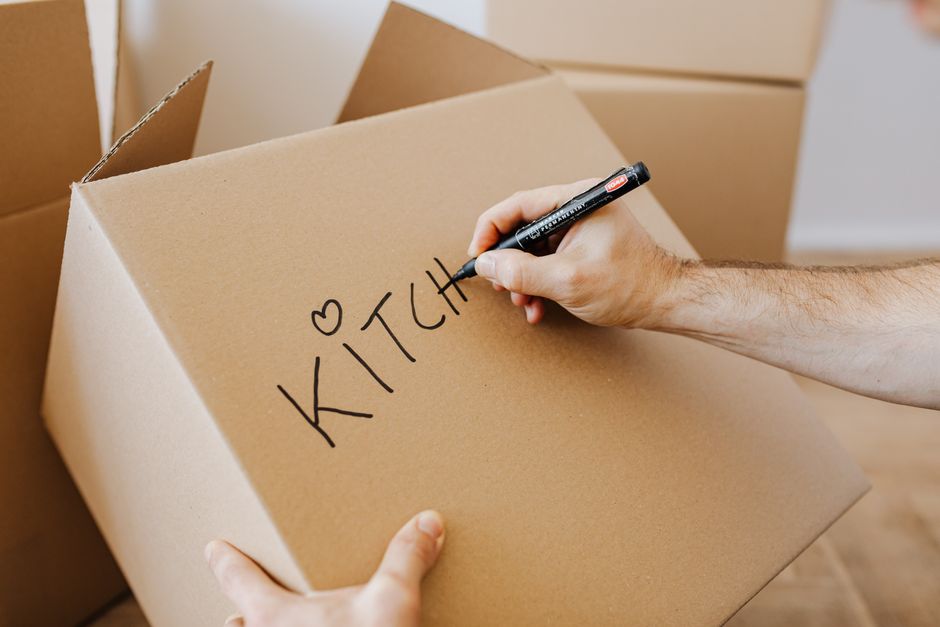
If you need to pack and move your kitchen in Chattanooga, you are already facing the most labor-intensive room in your entire home. Kitchens are dense with fragile items, oddly shaped appliances, heavy cookware, and perishable food — and no two kitchens are packed the same way. Get it wrong and you are dealing with broken dishes, shattered glassware, leaking pantry items, and a box of "mystery" kitchen stuff that takes two weeks to sort out at the new place. Get it right, and your kitchen can be functional again within a day of moving in.
This guide from the team at Moving Masters walks you through a systematic approach to packing and moving every part of your kitchen — from the everyday dishes and glassware to the heavy stand mixer and the half-empty bottles at the back of the pantry. Whether your kitchen is a compact apartment galley or a full chef's setup with double ovens and a walk-in pantry, the same core principles apply: protect what's fragile, organize what's connected, and plan your unpack before you close the last box.
Every room in a home has its packing challenges, but the kitchen presents a unique combination of problems that no other room matches. The sheer volume of small, individually fragile items — plates, glasses, bowls, mugs — means you can spend hours on a single cabinet's contents. Unlike a bedroom or living room where most items are large and straightforward to wrap, a kitchen is built around dozens of small, breakable things that need individual attention.
Beyond fragility, kitchens contain appliances with moving parts, sharp tools that need special handling, liquids that can spill and ruin an entire box, and food that has real expiration and spoilage risk. These categories all require different strategies, and trying to handle them all with a single approach — just wrap it and box it — is where most people run into trouble.
The single most effective thing you can do before packing a kitchen is reduce what you have to pack in the first place. Most kitchens contain items that have not been used in years — the specialty pan that seemed like a great idea, the kitchen gadgets that never made it out of the cabinet, the duplicate sets of bowls that accumulated over the years. Moving is the ideal moment to let those things go.
Start your kitchen declutter three to four weeks before your move date. Pull everything out of every cabinet and drawer and sort it into three groups: keep, donate, and discard. Be honest with yourself. If you have not used a kitchen item in the past year and cannot name a specific reason you will use it in the next year, it probably does not need to make the trip.
At the same time, start eating down your pantry. The goal is to arrive at moving week with as few non-perishable food items as possible — not because food is hard to move, but because it is heavy, takes up valuable box space, and is often cheaper to replace than to transport. Plan your meals for the final two to three weeks around what is already in your pantry and freezer. Anything that cannot be consumed before moving day can be donated to a local food pantry.
Dishware is the heart of any kitchen pack. Done properly, it takes time and a lot of packing paper — but it is entirely straightforward once you know the method. Done poorly, you will hear the crunch of cracked plates before you even open the box.
Start with the largest items and work your way down. Platters, serving bowls, and large dinner plates go first. Line the bottom of your box with a thick layer of crumpled packing paper — this is your shock absorber. Then wrap each plate individually in two to three sheets of packing paper, folding the paper over the edges and tucking it behind the plate before setting it in the box on its edge, vertically. Pack plates in groups of five or six, padding between each group with crumpled paper. Fill any remaining space at the top of the box with more crumpled paper so nothing can shift in transit.
Glasses are more nerve-wracking than plates for most people, but the approach is similar: individual wrapping and careful placement. For everyday glasses, place two to three sheets of packing paper on your work surface at an angle, set the glass in the corner, and roll it tightly while tucking the ends inside. Pack glasses upside down in a cell divider box, with crumpled paper above and below each row.
Stemware — wine glasses, champagne flutes, and similar items — deserves extra attention. Wrap the bowl first, then the stem, then the whole glass together in a second sheet. Use bubble wrap for any piece with sentimental or monetary value. Never stack stemware directly on top of other stemware. If you have original boxes for any crystal or fine glassware, use them — they were designed for exactly this purpose.
Cookware is less fragile than dishware but still requires thoughtful packing. Stack pots and pans with a sheet of packing paper between each one to prevent scratching. Nesting lids separately in a box with padding is often more space-efficient than keeping them with the pots. Cast iron should go in small boxes by itself — it is extremely heavy and can damage other items if packed with them.
Baking sheets, cutting boards, and other flat items can be packed together vertically in a box with paper between each one. Cookie sheets and muffin tins do not need heavy padding unless they are non-stick surfaces you want to protect from scratches.
Kitchen appliances range from lightweight coffee makers to 20-pound stand mixers, and each needs its own approach. The original box and packaging is always the best option for appliances — if you still have them, use them. If not, you will need to improvise with well-padded boxes of the appropriate size.
Before packing any appliance, remove all detachable parts. A blender should be packed with the pitcher separated from the base. A stand mixer should have its bowl, attachments, and power head packed in a way that prevents the attachments from rattling and scratching the bowl. Pack small appliance parts in labeled zip-lock bags and tape those bags to the appliance base so they cannot be separated in transit.
Wrap appliances with clean packing paper or bubble wrap and place them in snug boxes — too much empty space in a box lets an appliance shift and tip during the move. Fill gaps with crumpled paper. Do not pack a fragile dish item in the same box as a heavy appliance — weight distribution matters as much as padding.
If your move includes your refrigerator, it needs specific preparation that goes beyond just unplugging it. At least 24 hours before moving day, empty the refrigerator completely, turn it off, and allow the freezer to defrost fully. A freezer that has not been defrosted will drip water during the move, which can damage the floor of the truck and other items in transit. Leave the doors open to allow the interior to dry completely.
Remove all shelves and drawers and pack them separately with padding — glass shelves in particular are fragile and should be wrapped individually. On move day, a refrigerator must travel upright in the truck; laying it on its side can damage the compressor. Secure the doors closed with moving straps or rope to prevent them from swinging during transit. Allow the refrigerator to stand upright for at least two to four hours after delivery before turning it back on — this gives the compressor oil time to settle.
Pantry items and small miscellaneous kitchen goods should be among the last things you pack, since you will continue using them in the final days before your move. When you do pack them, keep a few key principles in mind.
All liquids — oils, sauces, vinegars, condiments — should be sealed with their lids tightened and wrapped in a layer of plastic wrap before being boxed. Pack them upright and surrounded by crumpled paper on all sides. Never put liquids in the same box as dry goods or paper items. A single broken bottle of olive oil can ruin an entire box of pantry staples.
Spices can be packed together in a small box, ideally grouped by how they are organized in your current kitchen so they are easy to re-shelve at the new home. Canned goods are heavy and should go in small boxes — a box of canned goods that is too large will exceed a safe carrying weight very quickly.
Before you seal your last kitchen box, set aside the items you will need in the first 24 hours at your new home. This "first night" essentials box (or bag) should travel with you in your car rather than on the moving truck, and it should include: a coffee maker or kettle, a mug, a plate and fork for each person, dish soap, a sponge, a roll of paper towels, a bottle opener, and whatever food you will eat that first night. Having this box ready means you are not rummaging through stacked kitchen boxes at 9 PM looking for a spoon.
How kitchen boxes are loaded onto the truck matters almost as much as how they are packed. Communicate clearly with your moving crew — or plan carefully if you are doing this yourself — about which boxes are fragile. Mark every fragile kitchen box clearly on at least two sides and the top.
Heavy kitchen boxes (cast iron, canned goods, appliances) go on the floor of the truck near the walls. Lighter, fragile dish boxes should be loaded last and stacked with nothing heavy on top of them. Boxes should never be placed on their sides unless specifically packed for that orientation. If boxes can shift during transit, they will — use furniture padding and straps to prevent movement whenever possible.
The kitchen is one room where hiring professional movers pays for itself in peace of mind. An experienced crew from Moving Masters knows how to handle dish packs, position heavy appliances, and secure fragile boxes in a way that dramatically reduces the risk of breakage. If you are weighing the cost of professional help against the cost of replacing your dishware and appliances, the math usually favors the professionals.
For most kitchens, starting two to three weeks before moving day gives you enough time to work through it without rushing. Begin with items you rarely use — specialty cookware, formal dishware, seasonal baking equipment — and work toward everyday essentials in the final few days. The pantry and the items you use daily should be packed last, ideally the day before or the morning of the move.
Dish pack boxes — also called dish barrels — are worth the investment for a kitchen with significant dishware. They are double-walled, reinforced boxes specifically designed to handle the weight and protect fragile items. Regular medium boxes can work if you pack them carefully with plenty of packing paper, but dish pack boxes provide a meaningful extra margin of protection, especially for fine china, crystal, or items with sentimental value.
Empty the refrigerator completely and turn it off at least 24 hours before the move to allow the freezer to fully defrost and the interior to dry. Remove all shelves and drawers and pack them separately with padding. On moving day, the refrigerator must travel upright — never on its side, as this can damage the compressor. Secure the doors closed during transit. After delivery, allow the refrigerator to stand upright for at least two to four hours before plugging it back in.
Items worth reconsidering include: duplicate cookware or dishware you rarely use, small appliances that have not been used in over a year, pantry food that is unlikely to be consumed before it expires, and large or heavy specialty items (like an extra stand mixer or a seldom-used bread maker) that are cheaper to replace than to move. Moving is an ideal time to donate usable kitchen items to local organizations in Chattanooga and lighten your load before moving day.
In most cases, yes. Kitchens are the most labor-intensive room to pack and the highest-risk room for breakage during transit. Professional movers bring the right materials, know how to load fragile boxes safely on the truck, and can handle heavy appliances like refrigerators and ranges with proper equipment. The cost of replacing broken dishes, cracked appliance parts, or damaged cookware often exceeds the cost of hiring experienced help. Moving Masters offers local moving services in Chattanooga specifically designed to protect your kitchen and the rest of your home.
For most kitchens, starting two to three weeks before moving day gives you enough time to work through it without rushing. Begin with items you rarely use — specialty cookware, formal dishware, seasonal baking equipment — and work toward everyday essentials in the final few days. The pantry and the items you use daily should be packed last, ideally the day before or the morning of the move.
Dish pack boxes — also called dish barrels — are worth the investment for a kitchen with significant dishware. They are double-walled, reinforced boxes specifically designed to handle the weight and protect fragile items. Regular medium boxes can work if you pack them carefully with plenty of packing paper, but dish pack boxes provide a meaningful extra margin of protection, especially for fine china, crystal, or items with sentimental value.
Empty the refrigerator completely and turn it off at least 24 hours before the move to allow the freezer to fully defrost and the interior to dry. Remove all shelves and drawers and pack them separately with padding. On moving day, the refrigerator must travel upright — never on its side, as this can damage the compressor. Secure the doors closed during transit. After delivery, allow the refrigerator to stand upright for at least two to four hours before plugging it back in.
Items worth reconsidering include: duplicate cookware or dishware you rarely use, small appliances that have not been used in over a year, pantry food that is unlikely to be consumed before it expires, and large or heavy specialty items (like an extra stand mixer or a seldom-used bread maker) that are cheaper to replace than to move. Moving is an ideal time to donate usable kitchen items to local organizations in Chattanooga and lighten your load before moving day.
In most cases, yes. Kitchens are the most labor-intensive room to pack and the highest-risk room for breakage during transit. Professional movers bring the right materials, know how to load fragile boxes safely on the truck, and can handle heavy appliances like refrigerators and ranges with proper equipment. The cost of replacing broken dishes, cracked appliance parts, or damaged cookware often exceeds the cost of hiring experienced help. Moving Masters offers local moving services in Chattanooga specifically designed to protect your kitchen and the rest of your home.