
Phone Number :
.png)
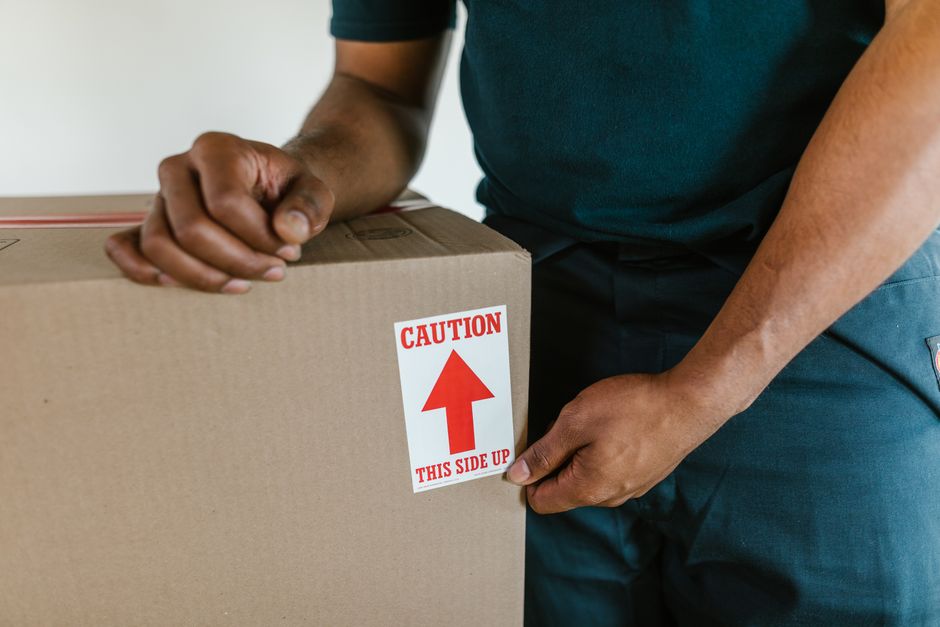
Knowing how to tip movers is one of those practical details that catches a lot of Chattanooga residents off guard on moving day. You have spent weeks planning your relocation — booking the truck, packing boxes, coordinating schedules — and then the crew finishes the job and you find yourself standing there wondering what the right thing to do actually is. Do you tip? How much? Do you hand it directly to each mover or give it to the foreman? Cash or something else?
This guide from the team at Moving Masters answers all of those questions honestly and clearly. There is no universal rule etched in stone, but there are well-established norms that most professional movers appreciate — and understanding them helps you show genuine gratitude for hard physical work done well.
Unlike tipping a restaurant server, tipping movers is not universally expected in the same automatic way. Most professional moving crews understand that their wage comes from the company, and a tip is a bonus — not a guarantee. That said, moving is one of the most physically demanding jobs in any service industry. Movers carry heavy furniture up flights of stairs, work in summer heat and winter cold, and hustle for hours on end to protect your belongings and meet your schedule.
In Chattanooga, where summers can be brutal and many neighborhoods have older homes with narrow staircases and limited parking, a good moving crew earns every dollar of appreciation you send their way. Tipping is a genuine way to acknowledge that effort — and a well-tipped crew is also a crew that leaves your move feeling like a positive, human experience on both sides.
There is no single correct answer here, but there are broadly accepted ranges that give you a reasonable starting point. Most moving industry guidance — and the general consensus among people who move frequently — suggests tipping somewhere between $20 and $50 per mover for a standard local move, depending on how long the job took and how well it went.
For longer or more complex jobs, some customers tip a percentage of the total move cost, typically in the range of 10 to 20 percent of the final bill, divided among the crew. That approach works well for large moves or long-distance relocations where the crew has invested a full day or more of labor.
These are guidelines, not rules. If your budget is tight and the crew did a good job, even $10 per person with a sincere thank-you goes further than nothing. Most professional movers are not counting dollars — they are responding to whether a customer acknowledged their effort at all.
Cash is almost universally the preferred method for tipping movers. It is immediate, it does not require the mover to have a particular app installed, and it avoids any awkward split when tips are distributed at the end of a job. Small bills are ideal — a stack of twenties is easy to divide and feels tangible in a way that a digital transfer often does not.
If you genuinely cannot get cash before moving day, apps like Venmo or Cash App work in a pinch as long as you ask the crew upfront whether they use them. Do not assume every mover is set up to receive a digital payment — and never promise a tip you then fail to deliver because you ran out of time to sort the transfer.
A cash tip is the most direct form of appreciation, but it is not the only meaningful thing you can do for a hardworking moving crew. Small gestures throughout the day can make a real difference in how the job feels for everyone involved.
None of these replace a tip, but together they create the kind of moving day experience where everyone finishes feeling respected. That matters more than most customers realize.
This is the question most people are uncomfortable asking, but it is a fair one. If the crew was genuinely unprofessional — reckless with your belongings, consistently late, or uncooperative — you are not obligated to tip at the same rate you would for excellent service. Tipping is a recognition of good work, and a reduced tip or no tip in the case of poor performance is an appropriate signal.
That said, distinguish between a crew that made your move difficult and a move that was simply difficult. If something went wrong because of factors outside the crew's control — a broken elevator, unusually heavy specialty items, or a longer drive than anticipated — that is not a reason to reduce the tip. Context matters.
If you have a genuine complaint about how your belongings were handled or how the crew behaved, the right channel is a direct conversation with the moving company after the job is complete. A reduced tip is a personal choice, but a formal complaint gives the company the information it needs to address real problems. The two are not mutually exclusive.
Planning a move in Chattanooga and want to know what to expect from a professional crew? Get a free quote from Moving Masters and our team will walk you through every detail before moving day arrives.
Tipping movers is not mandatory, but it is a widely appreciated gesture for physically demanding work done well. Unlike some service industries, moving crews do not rely on tips as a standard part of their income — but a tip is a meaningful way to acknowledge exceptional effort, difficult conditions, or a job that went above and beyond the baseline expectations.
For a standard local move in Chattanooga, most customers tip between $20 and $40 per mover. For a shorter job of just a couple of hours, $15 to $25 per person is reasonable. For a demanding full-day move — especially in summer heat or involving stairs and heavy furniture — $40 to $60 per mover is a fair acknowledgment of the extra effort.
Cash is the preferred method for tipping movers because it is immediate and does not require any apps or account setup. Small bills like $20s are easy to distribute among the crew. Digital payments through apps like Venmo or Cash App can work in a pinch, but always confirm with the crew beforehand rather than assuming everyone is set up to receive them.
The best time to tip is at the end of the job, after all of your belongings have been unloaded and placed. This lets you tip based on the full quality of the job rather than just the first impression. If you are tipping each mover individually, do so before the crew leaves your property so no one is missed.
If your budget does not allow for a cash tip, there are other meaningful ways to show appreciation. Providing cold drinks and snacks throughout the day, leaving a detailed positive review online mentioning specific crew members by name, and calling the company afterward to praise the team's work are all gestures that movers and their employers genuinely value. Even a small tip — $5 or $10 per person — paired with a sincere thank-you is better than nothing.


