
Phone Number :
.png)
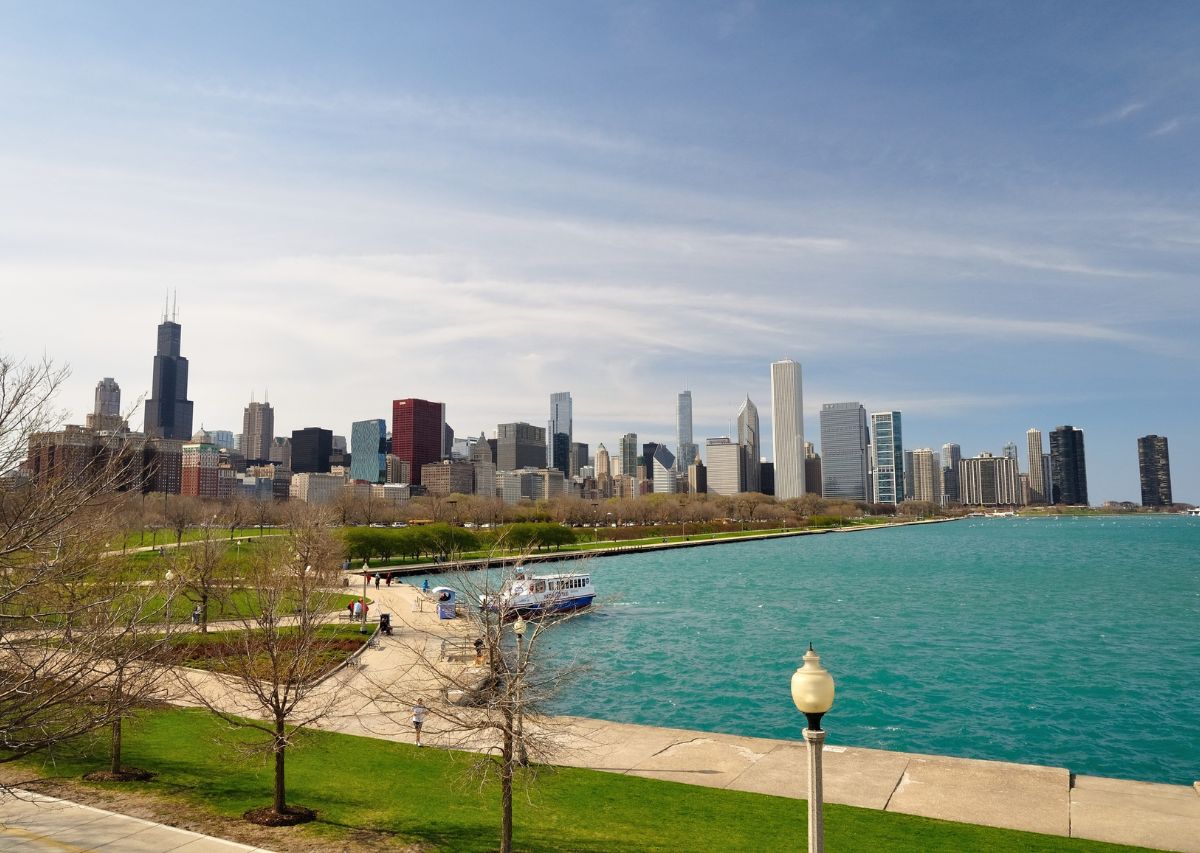
Located on the southwestern shore of Lake Michigan, Chicago is a massive, energetic metropolis known for its stunning skyline, rich cultural history, and deep-rooted neighborhood identities. Often called the Windy City, its true claim to fame lies in its groundbreaking architecture, world-class food scene, and vibrant music heritage spanning blues, jazz, and theater. As you look at the city profile, you will find a population of roughly 2.6 million people living within its diverse city limits, making it the third-largest city in the United States. The climate type here is humid continental, which brings hot summers, crisp autumns, mild springs, and famously cold, snowy winters.
Choosing to execute a move to chicago means stepping into a place that offers both big-city amenities and a welcoming midwestern attitude. People from all walks of life plan a move to chicago to experience its beautiful lakefront trail, bustling business districts, and historic cultural institutions. Preparing for a move to chicago requires a solid understanding of the city's grid system, seasonal shifts, and distinct rental cycles. If you want a smooth transition, learning about the local transit networks, job markets, and neighborhood costs is an excellent first step. Whether you are relocating for a new job or simply looking for a fresh urban experience, your move to chicago marks the beginning of an exciting journey. Let this guide provide the foundational knowledge you need to turn your upcoming move to chicago into a stress-free reality.
Relocating to a major metropolitan center like Chicago can easily feel overwhelming due to the sheer volume of logistics involved. At Moving Masters, we specialize in removing the stress from your move to chicago. Our experienced moving coordinators are prepared to handle every aspect of your transition, from careful packing to secure transport across state lines. We provide clear pricing, reliable scheduling, and attentive customer service so you can focus entirely on your new life.
Do not let the difficulties of tight city streets, parking permits, and heavy lifting complicate your move to chicago. Let our trained staff manage the hard work with the professionalism you expect. Contact Moving Masters today at (423) 680-7005 or reach out at info@movingmasterstn.com to speak with a dedicated specialist and secure a customized quote for your move to chicago.
The weather in the Midwest is known for its dramatic seasonal shifts, which requires some adjustments when you plan a move to chicago. Summers are typically warm and sunny, with temperatures regularly reaching the mid-80s°F, making it the perfect season for lakefront festivals and outdoor activities. Autumn brings cool, crisp air and colorful foliage, while spring is often unpredictable, shifting quickly from chilly rain showers to pleasant sunny days. Winters are notoriously long and cold, featuring freezing winds coming off Lake Michigan and significant snowfall that can make daily travel challenging.
The best time to schedule your relocation is during the early autumn months, specifically September and October, or during late spring in May. Moving during these periods allows you to avoid freezing winter ice and humid summer heatwaves, making the physical process of loading and unloading a truck much safer and more comfortable. Preparing your wardrobe for layers and understanding snow removal rules will also help you settle in quickly once you complete your move to chicago.
Understanding the financial landscape is crucial before you finalize your move to chicago. While the cost of living here is higher than the national average, it remains significantly more affordable than other major coastal metros like New York or San Francisco. Housing is the largest line item in most budgets, and the local real estate market offers a mix of historic brick two-flats, high-rise condos, and single-family homes.
The median home value in Chicago sits around $350,000. While this is higher than the overall Illinois state average, it is notably below the national median home price, making Chicago one of the most accessible major cities in the country. For renters, the market is competitive, especially during the peak spring and summer cycles. The average monthly rent for a one-bedroom apartment generally ranges between $1,800 and $2,400, depending heavily on the specific neighborhood, proximity to transit, and building amenities.
Location	Median Home Value	Average Monthly Rent (1-Bed)
Chicago	    	$350,000	        $1,800 - $2,400 / mo
Illinois	$270,000	        $1,400 / mo
National	$420,000	        $1,500 / mo
Everyday items like groceries, utilities, and dining out also carry a city premium. To manage your budget effectively during a move to chicago, look at options slightly outside the downtown core where housing costs are lower. Researching neighborhood tax rates and parking fees early will prevent surprises after you complete your move to chicago.
Chicago features a large, deeply diversified economy that provides excellent career opportunities for individuals preparing a move to chicago. Unlike cities that rely on a single industry, this region thrives across several fields, ensuring long-term economic stability. The top three employment sectors dominating the local job market are financial services, professional and business services, and healthcare and life sciences.
The city serves as a major corporate hub, hosting the headquarters of prominent global employers and Fortune 500 companies within the metropolitan area. Organizations such as United Airlines, Walgreens Boots Alliance, Abbott Laboratories, and McDonald’s employ thousands of local residents. Additionally, a growing technology sector and a robust logistics network draw skilled professionals from across the country to execute a move to chicago.
Commute trends show a strong reliance on public transport, though many residents utilize hybrid work structures to balance their schedules. Traffic congestion on major expressways like the Kennedy and Dan Ryan is a daily reality, prompting many workers to choose housing near train lines. Before finishing your plans for a move to chicago, updating your professional network and studying local industry cycles can give you an advantage. Securing employment prior to your relocation provides financial security and helps you choose the right neighborhood based on your daily commute. This proactive approach will help secure your financial future after your move to chicago.
One of the greatest advantages of a move to chicago is the city's exceptional transportation infrastructure, which allows many residents to live comfortably without a personal vehicle. The Chicago Transit Authority, known as the CTA, operates a massive network of buses and the famous "L" train system, connecting neighborhoods directly to the downtown Loop. For travel to the outer suburbs, the Metra commuter rail provides clean, efficient, and timely service.
The city earns high praise for its layout, featuring an easy-to-understand grid system centered at State and Madison streets. Walkability scores are excellent in most areas, with neighborhoods designed around central business districts where groceries and dining are just a short walk away. Cyclists also enjoy an expanding network of dedicated bike lanes and the beautiful Lakefront Trail.
For air travel, residents have convenient access to two major international airports:
Utilizing these transit systems from day one will make your move to chicago feel straightforward and highly manageable.
Visit this downtown park to see famous local landmarks like the Cloud Gate sculpture. The area offers excellent outdoor recreation with its vast green lawns, walking paths, and beautiful garden displays, alongside free summer concerts and family-friendly activities that keep children entertained all day long.
This historic lakefront pier features a massive Centennial Wheel, rides, and regular firework shows. It stands out as one of the region's top local landmarks, providing exceptional family-friendly activities, museums, and dinner cruises alongside unmatched spots for outdoor recreation and sightseeing.
Explore one of the oldest and largest art museums in the country, located right off Michigan Avenue. This cultural space is filled with world-renowned masterpieces, creative family-friendly activities, and beautiful interior courtyards, making it a prominent stop among downtown local landmarks.
Catch a baseball game at this legendary stadium built in 1914 on the city's north side. As one of America's most historic local landmarks, it offers classic sports entertainment, lively neighborhood energy, and fun, family-friendly activities for fans of all ages.
This free historic zoo provides wonderful family-friendly activities inside a beautiful park setting. Visitors can see hundreds of animals, enjoy scenic skyline views, and engage in outdoor recreation along the neighboring nature boardwalk trails, making it a beloved destination for local families.
Located in Hyde Park, this massive museum features interactive exhibits, a real submarine, and a coal mine. It is perfect for family-friendly activities that spark curiosity, standing as one of the city's key local landmarks focused on educational fun and indoor exploration.
Step out onto the famous Ledge, a glass balcony extending four feet outside the 103rd floor. This spectacular skyscraper is one of the most visible local landmarks, offering panoramic views of the entire region and exciting family-friendly activities for brave visitors.
This 18-mile paved path along Lake Michigan is the city's premier destination for outdoor recreation. It connects popular parks, beaches, and local landmarks, allowing residents to enjoy biking, running, and various family-friendly activities against a stunning urban backdrop of skyscrapers and water.
Get up close with thousands of aquatic animals, from beluga whales to penguins, at this historic lakefront facility. It offers hands-on exhibits, engaging family-friendly activities, and scenic views, making it a classic favorite among the city's collection of major local landmarks.
Meet Maximo the Titanosaur and view ancient mummies at this world-class natural history institution. Situated on the Museum Campus near top local landmarks, it provides educational family-friendly activities and spacious galleries that offer excellent indoor exploration for people of all ages.
Beyond the primary downtown tourist attractions, the broader metropolitan region offers remarkable destinations that make a move to chicago even more rewarding. Within a 100-mile radius, residents can explore beautiful natural preserves, historic towns, and unique specialized museums that showcase Midwestern history.
Just a short drive north of the city sits the Chicago Botanic Garden in Glencoe, which features 27 spectacular gardens across nine islands, providing a peaceful escape for plant lovers. Continuing north along the lake brings you to the Baha'i House of Worship in Wilmette, a stunning architectural marvel known for its intricate lace-like dome and tranquil gardens. For those interested in industrial heritage, the Pullman National Historical Park on the south side offers an immersive look into a historic planned industrial community.
If you travel west into the surrounding countryside, the Illinois Railway Museum in Union provides a massive collection of historic trains and streetcars, offering train rides on historic tracks. Nature enthusiasts can drive southwest to Starved Rock State Park, located just under 100 miles away, featuring beautiful sandstone canyons and seasonal waterfalls. Embracing these nearby hidden gems is an essential part of settling in after your move to chicago, giving you a deeper appreciation for the region's diverse landscapes and rich history. These distinct regional getaways ensure that your weekends are always full of discovery once you complete your move to chicago.
Successfully executing a move to chicago requires practical planning tailored to the city's specific layout and seasonal conditions. First, consider the architectural realities of city housing. Many classic Chicago apartments are historic brownstones or multi-story brick two-flats with narrow stairwells and no elevators. When packing for your move to chicago, use small or medium boxes for heavy items to keep them manageable, and ensure everything is taped securely to prevent shifting during transit.
Storage is another crucial component of a smooth transition. Because city apartments often have smaller closets or lack basement space, renting a secure, climate-controlled storage unit can give you a helpful buffer while you sort through your belongings.
Additionally, you must evaluate whether to manage a local DIY move or hire professional long-distance movers. Navigating a large rental truck through tight alleyways, under low-clearance train bridges, and down congested streets can be highly stressful for inexperienced drivers. Obtaining city parking permits or residential moving permits is also necessary to reserve street space for the truck and avoid expensive fines. Partnering with a professional moving company ensures that your possessions are handled safely from your original location directly to your new address. By planning your move to chicago with these specific urban challenges in mind, you can protect your investments and avoid common delays, turning moving day into a positive experience.
As you prepare to start this exciting new chapter in the Midwest, let the professional team at Moving Masters manage the difficult details of your move to chicago. We are dedicated to providing clear pricing, practical solutions, and dependable customer service for individuals and families relocating across the country. Our experienced coordinators understand the specific logistics required for urban transitions, ensuring your household belongings arrive safely and on time.
Avoid the physical strain, complex route planning, and parking stresses that often complicate a major relocation. Let our experts provide a smooth, organized moving experience from start to finish.
Contact Moving Masters today at (423) 680-7005 to discuss your specific timeline and requirements with a move specialist. You can also reach our office via email at info@movingmasterstn.com to request a free, no-obligation estimate for your upcoming move to chicago.
No, the city features excellent public transit through the CTA and Metra. High walkability in most neighborhoods makes living without a vehicle simple and highly practical.
September, October, and May offer the most comfortable weather. Moving during these months helps you avoid freezing winter snow and intense summer humidity during your move to chicago.
You can request temporary moving permits through your local ward's alderman office or online to reserve street space and avoid city parking tickets.
The local economy is driven primarily by financial services, professional and business services, and expanding healthcare and life sciences networks, offering diverse career pathways.
Yes, Chicago is significantly more affordable than cities like New York. It offers a balanced cost of living while providing top-tier urban amenities and housing options.


