Phone Number :
.png)
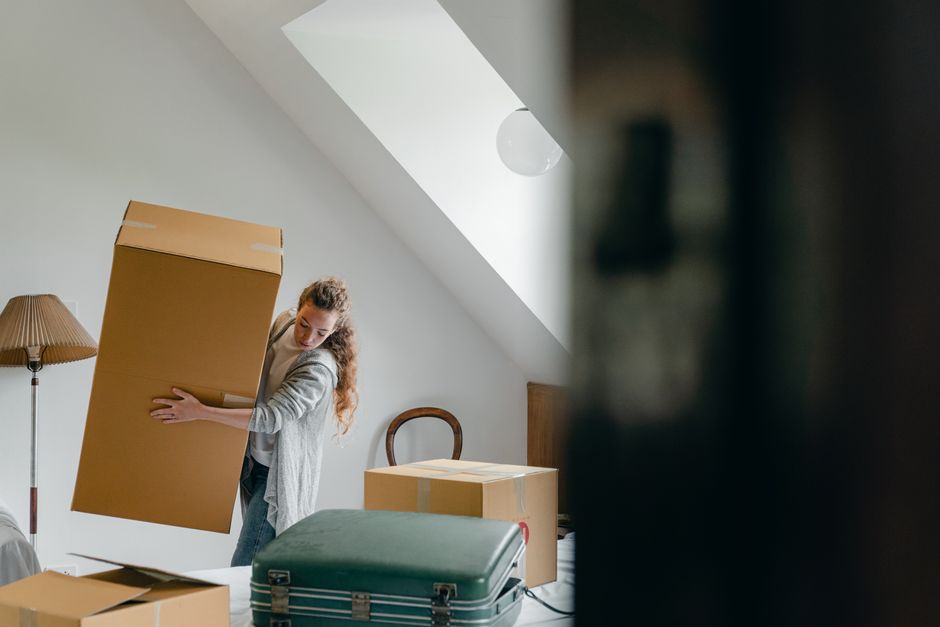
If you need to pack and move your attic in Chattanooga, you have probably been putting it off longer than any other room in the house — and for good reason. The attic is where years, sometimes decades, of stored belongings go to be forgotten. By the time moving day arrives, it has become equal parts time capsule and obstacle course: boxes stacked on top of boxes, seasonal decorations tangled around insulation, furniture that no longer fits anywhere else, and items so old you can barely remember acquiring them. Getting it wrong means crushed heirlooms, missed donations, and a moving truck dangerously loaded with things that should have stayed behind.
This guide from the team at Moving Masters gives you a complete, practical approach to sorting, packing, and moving everything in your attic — from bulky holiday decorations and boxed keepsakes to furniture in storage, old electronics, and the structural realities of working safely in a space that most people rarely enter. Whether your attic is a partially finished room with walkable flooring or a cramped, insulation-filled crawl space, the same core principles apply: sort ruthlessly before you pack, protect what is fragile, contain what is dusty and dirty, and plan your load so nothing is damaged in transit.
The attic earns its reputation as one of the most difficult spaces to relocate for reasons that are unique to its nature as a long-term storage area. Unlike other rooms in the home, the attic was never designed for daily use. That means limited lighting, restricted headroom, uneven or unboarded flooring, and temperatures that can reach extreme highs in Chattanooga's summer months. Working in that environment for hours while carrying heavy boxes down a pull-down stair is physically demanding in a way that packing the living room simply is not.
Beyond the physical environment, the attic presents a curatorial challenge unlike any other room. Most spaces in your home contain items you use regularly — you know what is there, you know its value, and you know whether it is coming with you. The attic contains items you have not seen in years. Every box you open requires a decision: keep, donate, sell, or discard. That decision-making process takes time, and if you leave it until the week before the move, it will overwhelm your entire schedule.
Finally, attic items tend to be a strange mix of extremes. You may find extremely fragile heirlooms — antique photographs, vintage ornaments, handmade quilts — stored right next to extremely heavy items like old tool sets, archived filing boxes, or disassembled furniture. Packing both categories correctly, at the same time, in a cramped and overheated space, is genuinely difficult without a clear plan.
The single most important thing you can do before packing your attic is to sort every item with honest, decisive eyes. Moving everything in your attic to a new home without editing it first is a missed opportunity — and a significant expense, since professional movers charge by weight and volume. The more you move, the more it costs.
Set up a staging area outside the attic — ideally a garage, a spare bedroom, or a cleared section of the living room — and bring items down in manageable loads. Sort each load into four clear categories: keep, donate, sell, and discard. Be honest about the "keep" pile. If you have not used or even thought about an item in more than three years, there is a reasonable chance you will not use it in your new home either.
Once you have sorted and decided what is making the move, you can begin packing. Attic items require more care than most people expect, because many of them have been stored without protection for years and are in a more fragile state than when they were first boxed. Dust, humidity fluctuations, and temperature extremes all take a toll on stored belongings over time.
Use fresh, sturdy boxes for the move — do not reuse deteriorated boxes that have been in the attic. Invest in proper packing materials: bubble wrap, packing paper, and plastic bins for items that need moisture or dust protection. Label every box on at least two sides with its contents and destination room in the new home.
Holiday decorations are among the most commonly damaged items in a move because they tend to be fragile, irregularly shaped, and often loosely stored. Glass ornaments should be individually wrapped in tissue paper or packing paper and packed in divided box inserts or cardboard cells. Artificial trees should be disassembled, bagged by section, and placed in a long box or the original manufacturer's bag if it still exists. String lights should be wound around a piece of cardboard to prevent tangling and packed loosely without heavy items on top.
Furniture that has been stored in the attic — whether waiting for a future room, a future child, or simply with no clear purpose — should be inspected for damage before packing. Check for joint looseness, surface warping from humidity, and any pest damage. Disassemble what can be disassembled, place hardware in labeled zip-lock bags taped directly to the corresponding piece, and wrap surfaces in moving blankets or furniture pads to prevent scratches during transit.
Photographs and paper documents are among the most vulnerable items in the attic. Loose photographs should be placed in protective sleeves or interleaved with acid-free tissue paper before boxing. Albums should be packed flat, never on their spine. Documents in binders or folders should be packed upright in file boxes with dividers to prevent shifting. Fragile heirlooms — ceramics, glass items, vintage fabrics — should receive the same careful wrapping and double-boxing treatment used for fine china or antiques.
Safety is not optional when moving an attic. The physical environment of a typical residential attic involves real hazards that must be addressed before you begin carrying boxes up and down for hours. Prepare the space before you start packing, not after.
Lighting is the first priority. Most attics have minimal fixed lighting. Bring portable LED work lights or headlamps so you can see clearly in every corner without relying on a single bare bulb. Good lighting also helps you identify hazards like exposed nails, weakened flooring sections, and pest evidence that you might otherwise miss.
Insulation is the second concern. If your attic has blown-in or batt insulation, wear an N95 mask and long sleeves while working. Older homes in Chattanooga may have insulation materials that require additional precautions — if you have any uncertainty about your attic's insulation type, consult a professional before spending hours working in the space.
Flooring is the third and perhaps most immediately dangerous concern. In attics without full boarding, you must step only on the structural joists. A misplaced step onto drywall or plaster between joists can result in a fall through the ceiling, significant structural repair costs, and serious injury. If your attic is not fully boarded and you need to access areas beyond the joist paths, lay temporary boards or sheets of plywood to create a safe walking surface before you begin moving items.
Finally, manage the heat. Chattanooga summers push attic temperatures well above what is safe for extended physical activity. Schedule your attic packing sessions for early morning hours, take frequent breaks, bring plenty of water, and never work alone in the attic — have someone aware of your location and checking in regularly.
Attic items present specific loading challenges on moving day. Because they tend to include a wide range of weights — from feather-light decorative boxes to extremely heavy archived files or disassembled furniture — careful load planning is essential to prevent damage in transit.
Heavy items from the attic — dense boxes of documents, disassembled furniture components, tool storage — should be loaded first, against the walls of the truck, as part of the base layer. Lighter, more fragile items — holiday decoration boxes, heirloom containers, bags of fabric — should be loaded later and placed higher in the truck, never under heavy items. Use furniture pads and moving blankets to cushion attic items that are not in rigid boxes, and use tie-down straps to stabilize any load that includes free-standing furniture pieces.
If you are working with a professional moving team, communicate clearly which boxes contain fragile or high-value heirloom items so they can be handled with appropriate care and positioned safely in the truck. A well-briefed moving crew makes an enormous difference in how your most irreplaceable items arrive at your new home.
The move itself is only half the job. When you arrive at your new home, you have the opportunity to set up your attic storage thoughtfully rather than simply restoring the chaos of the old one. Before any boxes go into the new attic, do a preliminary inspection: check for pest evidence, assess the flooring situation, evaluate the lighting, and note the temperature and ventilation characteristics of the space.
Organize your new attic storage by category and access frequency. Items you will need seasonally — holiday decorations, seasonal clothing — should be stored closest to the attic access point. Items that are truly long-term storage — archived documents, heirlooms, furniture waiting for a future use — can go further back. Label everything clearly on the outside, use uniform plastic bins where possible for better stackability and moisture resistance, and create a simple inventory list of what is in the attic so you never have to excavate the entire space to find one item.
If you are unsure whether your new attic is the right storage environment for temperature-sensitive or high-value items, explore alternatives: a climate-controlled storage unit, a dedicated closet in a conditioned part of the home, or a professionally managed archival storage facility for truly irreplaceable documents and heirlooms.
The attic should be the first space you begin sorting — ideally four to six weeks before moving day. Unlike other rooms, the attic requires extensive decision-making about items you may not have seen in years, and rushing that process leads to either moving things you should have discarded or accidentally leaving behind items you wanted to keep. Give yourself at least two to three weeks just for sorting, then pack over the remaining time.
Chattanooga summers can push attic temperatures to extreme and dangerous levels. If you must work in your attic during summer, schedule sessions for early morning before temperatures peak, take breaks every 20 to 30 minutes, stay well hydrated, and never work alone. Bring portable fans and work lights. If at all possible, complete attic packing in the spring or fall when temperatures are more manageable.
It is generally not advisable to reuse boxes that have been stored in an attic for an extended period. Cardboard degrades over time — especially in environments with humidity fluctuations and temperature extremes — and older boxes may have weakened walls that cannot safely support their contents during a move. Open every box, inspect it for structural integrity, moisture damage, and pests, and repack contents into fresh, sturdy boxes for the move.
Some attic items — particularly old chemicals, certain paints, and hazardous materials — cannot legally or safely be loaded onto a residential moving truck. Check with your moving company about their specific restrictions. For items that cannot be transported, explore local hazardous waste disposal events in Chattanooga, contact the Hamilton County solid waste authority for drop-off options, or arrange for separate disposal well before moving day so it does not become a last-minute problem.
Fragile heirloom items — antique photographs, vintage ceramics, handmade textiles, glass ornaments — should be individually wrapped in acid-free tissue paper or unprinted packing paper, then placed in appropriately sized boxes with cushioning on all sides. For the most irreplaceable items, consider double-boxing: place the wrapped item in a snug inner box, then place that box inside a larger outer box filled with packing material. Label these boxes clearly as fragile and communicate their importance to your moving crew so they are handled and loaded with appropriate care.
The attic should be the first space you begin sorting — ideally four to six weeks before moving day. Unlike other rooms, the attic requires extensive decision-making about items you may not have seen in years, and rushing that process leads to either moving things you should have discarded or accidentally leaving behind items you wanted to keep. Give yourself at least two to three weeks just for sorting, then pack over the remaining time.
Chattanooga summers can push attic temperatures to extreme and dangerous levels. If you must work in your attic during summer, schedule sessions for early morning before temperatures peak, take breaks every 20 to 30 minutes, stay well hydrated, and never work alone. Bring portable fans and work lights. If at all possible, complete attic packing in the spring or fall when temperatures are more manageable.
It is generally not advisable to reuse boxes that have been stored in an attic for an extended period. Cardboard degrades over time — especially in environments with humidity fluctuations and temperature extremes — and older boxes may have weakened walls that cannot safely support their contents during a move. Open every box, inspect it for structural integrity, moisture damage, and pests, and repack contents into fresh, sturdy boxes for the move.
Some attic items — particularly old chemicals, certain paints, and hazardous materials — cannot legally or safely be loaded onto a residential moving truck. Check with your moving company about their specific restrictions. For items that cannot be transported, explore local hazardous waste disposal events in Chattanooga, contact the Hamilton County solid waste authority for drop-off options, or arrange for separate disposal well before moving day so it does not become a last-minute problem.
Fragile heirloom items — antique photographs, vintage ceramics, handmade textiles, glass ornaments — should be individually wrapped in acid-free tissue paper or unprinted packing paper, then placed in appropriately sized boxes with cushioning on all sides. For the most irreplaceable items, consider double-boxing: place the wrapped item in a snug inner box, then place that box inside a larger outer box filled with packing material. Label these boxes clearly as fragile and communicate their importance to your moving crew so they are handled and loaded with appropriate care.