Phone Number :
.png)
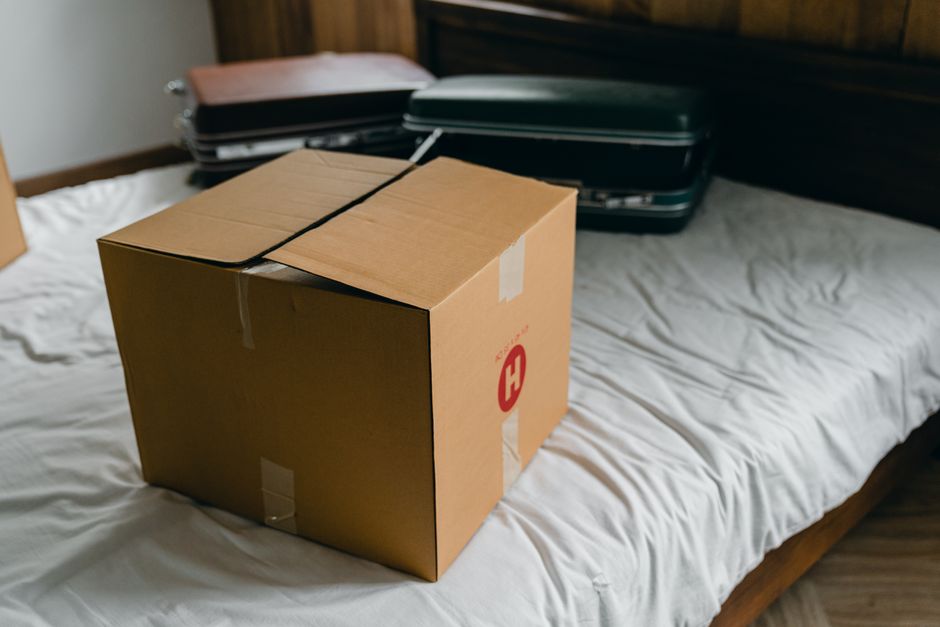
If you need to pack and move your bedroom in Chattanooga, you might assume it is the easiest room in the house. After all, it is mostly clothes, furniture, and a bed — how complicated can it get? The answer is: more complicated than most people expect. Bedrooms contain your most personal belongings, your bulkiest furniture, and often your most sentimental items. Disassemble something in the wrong order, pack bedding carelessly, or forget to label a box of small essentials and you will be sleeping on the floor and searching through boxes for your phone charger on night one.
This guide from the team at Moving Masters walks you through a clear, systematic approach to packing and moving every element of your bedroom — from the mattress and bed frame to the nightstand, dresser, wardrobe, and the personal items tucked in every drawer. Whether you have a minimalist studio bedroom or a large primary suite with a walk-in closet, the core principles are the same: protect what is bulky, organize what is personal, and set yourself up to function from day one in your new home.
Most people underestimate bedrooms because they do not have the obvious fragility challenges of a kitchen or the technical complexity of a home office. But bedrooms present their own set of moving problems that catch people off guard.
The furniture is large and heavy. Bed frames, dressers, armoires, and nightstands are often the heaviest pieces in the home outside of appliances. They need to be disassembled correctly, padded properly, and positioned last on the truck — or first, depending on your loading strategy — to avoid damage to both the furniture and the walls of your home.
The volume of soft goods is also deceptively large. Bedding, pillows, blankets, and clothing take up far more space than most people estimate. And because it is all soft and compressible, there is a temptation to cram it into whatever space is left — which leads to overstuffed boxes, wrinkled clothes, and bedding that smells like a cardboard box when you unpack it.
The best thing you can do for your bedroom move is reduce the volume of what needs to move in the first place. A bedroom accumulates clothing, accessories, books, and personal items over years, and much of it is no longer needed. Moving is the single best moment to make honest decisions about what you actually use and what is just occupying space.
Start the declutter process three to four weeks before your move date. Pull everything out of your closet, dresser, and under-bed storage. Sort each item into three groups: keep, donate, and discard. Clothing that has not been worn in a year, duplicate linens, mismatched pillowcases, and old books are all candidates for the donate pile. The fewer items you pack, the fewer boxes you carry, and the faster and cleaner your unpack will be.
Once you have completed the declutter, you will have a much clearer picture of what packing materials you actually need. This step alone can reduce your bedroom box count significantly.
Clothing is the largest category of items in most bedrooms, and packing it efficiently makes a meaningful difference in both time and space.
For hanging clothes, wardrobe boxes are the most efficient solution available. These tall boxes include a built-in hanging rod that lets you transfer clothes directly from your closet rod to the box without folding or removing them from hangers. They are bulky but fast, and they protect your nicer garments from wrinkling and compression damage. For a closet with mostly hanging items, two to three wardrobe boxes can handle a significant volume of clothing with minimal effort.
For folded clothes stored in drawers, you have a practical option: leave them in the drawers if the dresser is light enough to move safely, or transfer them into boxes. If you transfer to boxes, keep clothing from each drawer together and label the box with which drawer it came from. This makes unpacking dramatically faster — you are essentially reversing the exact action you performed when you packed.
For seasonal items, off-season clothing that you will not need immediately is a good candidate for vacuum storage bags. These compress bulky sweaters, winter coats, and extra bedding to a fraction of their original size, freeing up significant box space for items you actually need access to first.
Bedding is soft and forgiving to pack, but it takes up a lot of space if handled carelessly. Sheets, comforters, and pillows do not need wrapping or protective padding, but they do need to be organized so you can find them immediately on the first night in your new home.
Pack your bedding for the first night separately from the rest. Choose one set of sheets, two pillows, and a blanket and pack them together in a clearly labeled box or bag that you can identify instantly. This is your overnight kit. Everything else can go into general bedding boxes, clearly labeled by type: "queen sheets," "extra blankets," "pillow covers."
The mattress requires the most attention of anything in the bedroom. A mattress is one of the most expensive items in your home, and it is also one of the most vulnerable to damage during a move. Always use a mattress bag — a large plastic sleeve specifically designed for moving — before the mattress leaves the bedroom. This protects against dirt, moisture, scuffs, and tears during loading, transport, and unloading. Mattress bags are inexpensive and available at most moving supply retailers. If you are working with a professional moving company, ask in advance whether mattress bags are provided or if you need to source your own.
Large bedroom furniture — bed frames, dressers, armoires, and platform beds — often needs to be at least partially disassembled before it can be moved safely through doorways and hallways. Attempting to move large pieces assembled and intact is one of the most common causes of wall damage, floor scratches, and furniture breakage during a residential move.
Start by consulting any assembly instructions you still have for your furniture pieces. If you no longer have the instructions, take photos of each component before you disassemble it. This gives you a reference when you reassemble at the other end.
For bed frames, the general order is: remove the mattress and box spring first, then remove the slats or platform, then detach the side rails from the headboard and footboard. Bag all bolts, screws, and fasteners immediately and tape the bag to the headboard or a major piece of the frame. Do not set loose hardware down anywhere — it will disappear.
For dressers, remove all drawers before moving. Even if the dresser seems manageable with drawers in, the shifting weight makes it harder to control and increases the chance of drawer damage. Stack drawers together and label each one so you know where it goes when you reassemble.
If you are working with Moving Masters, our crew handles furniture disassembly and reassembly as part of the move — which saves you significant time and ensures pieces are moved and rebuilt correctly without guesswork.
Packing is only half the job. How you label your boxes determines how efficiently you can unpack — and in a bedroom, being able to find what you need on the first night matters more than in almost any other room.
Every box should have a minimum of two labels: one on the top and one on at least one side. The top label gets covered the moment another box is stacked on it; the side label is what you will read when boxes are stacked on a dolly or lined up along a wall. Include both the room ("Bedroom — Primary") and the general contents ("Dresser drawers — folded shirts" or "Closet — hanging clothes overflow").
Before your move, decide where your furniture will go in the new bedroom. Having a rough floor plan in mind means your moving crew can place each piece in the correct position on move-in day rather than leaving everything in the center of the room for you to sort out later. The less furniture you have to reposition after the movers leave, the faster your room comes together.
Finally, designate one box as your "bedroom first night" box. This box should contain: your overnight bedding, your pajamas, your phone charger, any medications you take at night, and anything else you will definitely need before unpacking begins in earnest. Mark this box clearly — "OPEN FIRST — Bedroom" — and make sure it rides in a position where it will come off the truck last, not get buried at the back.
Many people handle bedroom packing themselves and rely on professional movers only for the physical transport. This is a reasonable approach for straightforward bedrooms with standard furniture. But there are situations where professional packing assistance genuinely pays off.
If your bedroom contains a large armoire, a king or California king mattress, a platform bed with storage drawers built in, or an antique dresser or headboard, professional handling reduces the risk of damage significantly. Heavy, oversized, or antique furniture requires specific techniques and equipment — furniture pads, floor sliders, and experienced two- or three-person carry coordination — that most DIY moves do not replicate successfully.
A professional crew also works faster than most individuals expect. What takes a homeowner an afternoon to disassemble, pad, and load can often be accomplished in a fraction of the time by an experienced moving team — which means less stress, less risk of injury, and more time to focus on the details that only you can handle.
It depends on the dresser and how it will be moved. Lighter dressers with clothing inside can sometimes be moved with drawers in place if the drawers are secured and the total weight is manageable. However, it is generally safer and easier to empty the drawers first or at least remove them from the frame. Heavy dressers with full drawers put extra strain on the frame and are harder to control safely. If you are unsure, ask your moving crew when they arrive — they can advise based on the specific piece.
The best protection for a mattress during a move is a mattress bag — a large plastic sleeve that completely covers the mattress and seals it against dirt, moisture, and damage. These are inexpensive and widely available at moving supply stores. Wrap the mattress in the bag before it leaves the bedroom, and make sure it is transported flat or on its side depending on the mattress type. Memory foam mattresses should generally be transported flat; innerspring mattresses can typically stand on edge. Ask your moving company whether mattress bags are included with their service.
Wardrobe boxes are the most effective solution for hanging clothes. They include a built-in rod that lets you transfer clothing directly from your closet rod without removing items from hangers. The clothes hang freely inside the box and arrive at your new home in the same condition they left. If wardrobe boxes are not available, group clothes in bunches, keep them on hangers, and secure them with a large garbage bag pulled up from the bottom over the group — this keeps them together and protects the fabric without folding.
Yes, in most cases it is a good idea to disassemble your bed frame before the moving crew arrives. This saves time on move day and ensures you have full control over bagging and labeling all the small hardware. Take photos of the frame before disassembly for reassembly reference, and place all bolts, screws, and connectors in a labeled zip-lock bag taped directly to the headboard or a main frame component. If your moving company offers furniture disassembly and reassembly as part of their service, you can also let them handle it — just confirm the service is included when you book.
Your first night bedroom box should contain everything you will need before you have a chance to fully unpack: a set of sheets and pillowcases for your bed, one or two pillows, a blanket or comforter, your pajamas, your phone charger, any medications you take at night or in the morning, a change of clothes for the next day, and basic toiletries if your bathroom items are packed separately. Label this box clearly — 'OPEN FIRST — Bedroom' — and position it so it comes off the moving truck last and is immediately accessible when you arrive at your new home.
It depends on the dresser and how it will be moved. Lighter dressers with clothing inside can sometimes be moved with drawers in place if the drawers are secured and the total weight is manageable. However, it is generally safer and easier to empty the drawers first or at least remove them from the frame. Heavy dressers with full drawers put extra strain on the frame and are harder to control safely. If you are unsure, ask your moving crew when they arrive — they can advise based on the specific piece.
The best protection for a mattress during a move is a mattress bag — a large plastic sleeve that completely covers the mattress and seals it against dirt, moisture, and damage. These are inexpensive and widely available at moving supply stores. Wrap the mattress in the bag before it leaves the bedroom, and make sure it is transported flat or on its side depending on the mattress type. Memory foam mattresses should generally be transported flat; innerspring mattresses can typically stand on edge. Ask your moving company whether mattress bags are included with their service.
Wardrobe boxes are the most effective solution for hanging clothes. They include a built-in rod that lets you transfer clothing directly from your closet rod without removing items from hangers. The clothes hang freely inside the box and arrive at your new home in the same condition they left. If wardrobe boxes are not available, group clothes in bunches, keep them on hangers, and secure them with a large garbage bag pulled up from the bottom over the group — this keeps them together and protects the fabric without folding.
Yes, in most cases it is a good idea to disassemble your bed frame before the moving crew arrives. This saves time on move day and ensures you have full control over bagging and labeling all the small hardware. Take photos of the frame before disassembly for reassembly reference, and place all bolts, screws, and connectors in a labeled zip-lock bag taped directly to the headboard or a main frame component. If your moving company offers furniture disassembly and reassembly as part of their service, you can also let them handle it — just confirm the service is included when you book.
Your first night bedroom box should contain everything you will need before you have a chance to fully unpack: a set of sheets and pillowcases for your bed, one or two pillows, a blanket or comforter, your pajamas, your phone charger, any medications you take at night or in the morning, a change of clothes for the next day, and basic toiletries if your bathroom items are packed separately. Label this box clearly — 'OPEN FIRST — Bedroom' — and position it so it comes off the moving truck last and is immediately accessible when you arrive at your new home.